
Atypical anorexia symptoms can easily be overlooked, but it is a serious eating disorder that often goes undiagnosed. When most people picture anorexia, they may imagine someone who is visibly underweight. But that is a stereotype and eating disorders do not always look the way we expect them to.
Someone can be severely restricting food, feel an intense fear of weight gain and losing weight rapidly, yet still fall within or above what is considered a “healthy” weight range. Because of this, the illness can easily go unnoticed by healthcare professionals, family members and even the person experiencing it. For many people, it can feel incredibly confusing.
In this blog we will explore what atypical anorexia is, how it can be recognised, why it is often overlooked, and what recovery and support can look like.
What is Atypical Anorexia?
Atypical Anorexia Nervosa is an eating disorder that presents very similarly to Anorexia Nervosa, but without the person being clinically underweight.
People living with atypical anorexia experience many of the same psychological & behavioural symptoms seen in anorexia. These can include intense fear of gaining weight, severe food restriction and significant distress around body shape or size.
In some cases, people may lose a large amount of weight quite quickly, sometimes at a rate that can be medically dangerous. But they may still fall within what is classified as a “healthy” weight range, or even be classed as overweight. This can be super confusing and lead to misdiagnosis or being told you are totally fine, when deep down you know you aren’t.
Remember, eating disorders are not defined by body size. They affect people across a wide range of ages, genders and body types. You can have an eating disorder and not be underweight! This is the reality for people with atypical anorexia.
Research suggests atypical anorexia may actually occur more frequently than anorexia nervosa. Estimates indicate that around 0.2–4.9% of people experience atypical anorexia at some point in their lifetime. Making it two to three times more common than anorexia itself.
The term “atypical” can make the condition sound less serious. In fact I’d go so far to say it’s an unhelpful label and can make people feel they are not “typical”. They are not sick enough and need to try harder. But this isn’t true, the psychological distress and medical risks can be just the same as someone with anorexia.
What are atypical anorexia symptoms?
Recognising atypical anorexia symptoms can be difficult due to looking a normal weight. Despite this, the underlying eating disorder behaviours and psychological distress are very similar.
Atypical anorexia is said to lie on a spectrum with typical anorexia, rather than being a distinct condition. People can experience similar levels of eating disorder severity, emotional distress and treatment needs.
Below are some of the signs that can appear.
– Physical atypical anorexia symptoms
Although someone may not be underweight, the body can still be affected by malnutrition and too fast weight loss.
Physical complications can include fatigue, dizziness or fainting, plus slow heart rate and low blood pressure. Your periods may stop as your hormones are impacted, this then over time can lead to lower bone density. Whilst it may seen odd, blood tests can show high cholesterol as the body breaks down fat stores and hormone levels drop. Changes can be seen in your blood results (sodium, potassium and more).
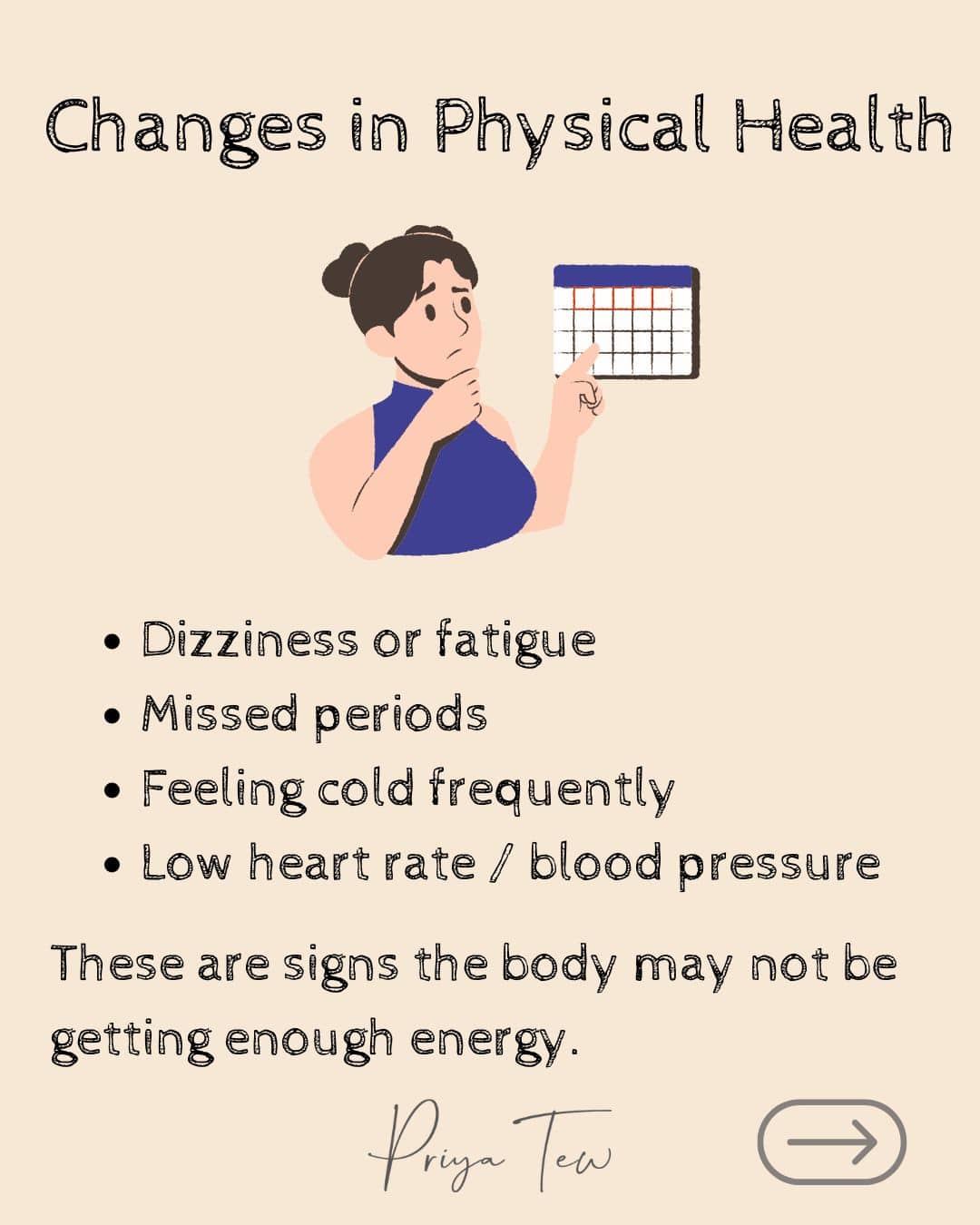
These changes place significant strain on the body and can result in serious health consequences and require medical support. So it key to treat them as soon as possible.
– Psychological atypical anorexia symptoms
Psychological symptoms are often central to atypical anorexia.
A high drive for thinness along with an intense fear of gaining weight is common. People can have high levels of body dissatisfaction, not liking their bodies. They are likely to have constant thoughts about food, weight and body shape. This all leads to anxiety around eating plus a strong need to control food intake.
These thoughts can become overwhelming and take up a large amount of mental space.
– Behavioural atypical anorexia symptoms
Certain behaviours around food and exercise may also become noticeable.
Food may be regularly restricted or be surrounded by rigid rules. Meals might be skipped. A person struggling may only want to eat food alone. Or perhaps behaviours such as purging (being sick after meals) or excessive exercise may happen to compensate for eating.
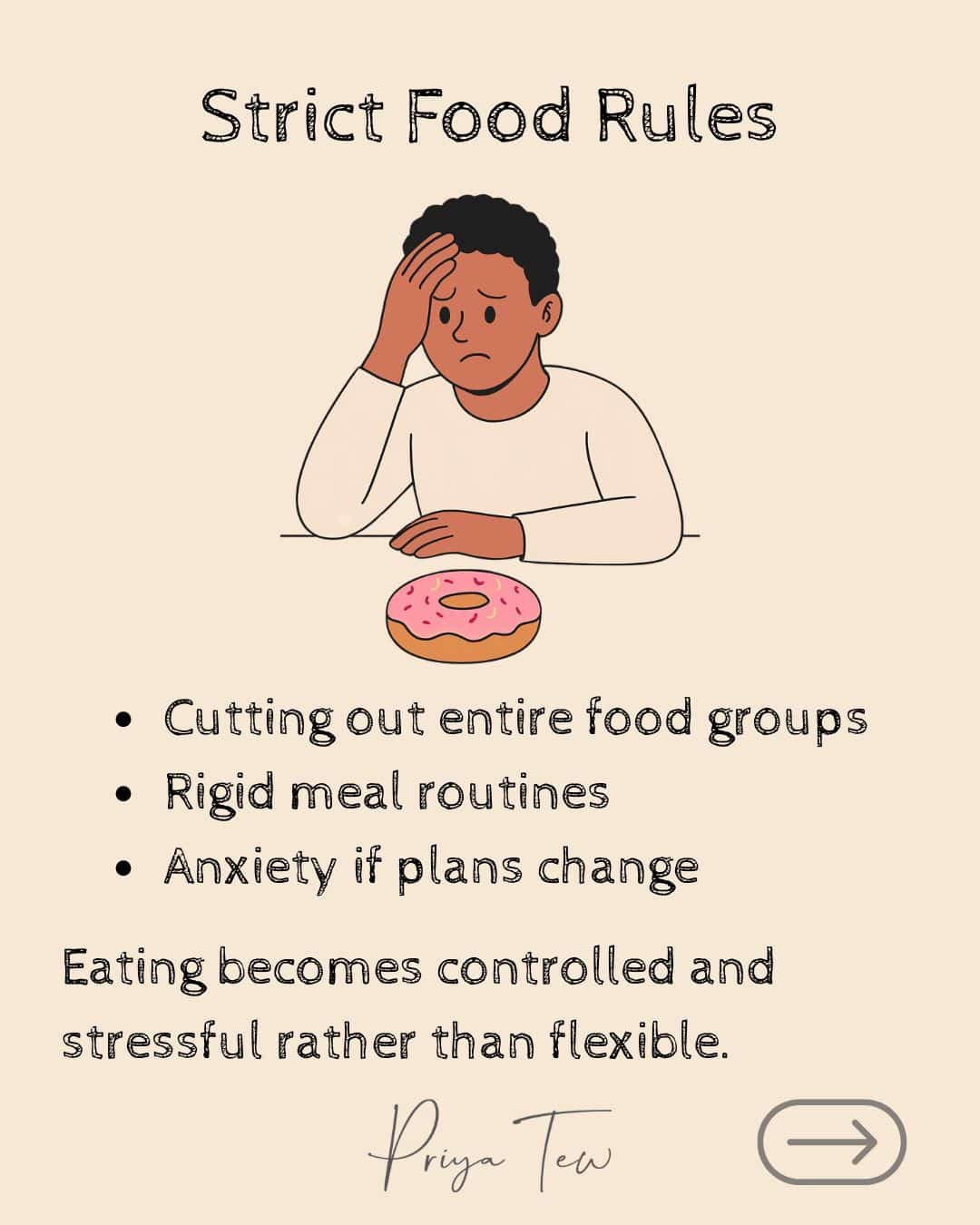
Alongside these behaviours, many sufferers also experience anxiety, depression or sleep difficulties, which can further affect wellbeing.
These behaviours can develop gradually and are rarely about food alone. They are usually linked to deeper emotional distress and the need for control. Together, these symptoms can cause serious health risks regardless of whether someone is underweight.
Why Is Atypical Anorexia Often Missed?
Unfortunately, one of the biggest challenges with atypical anorexia is how easily it can be overlooked.
Traditional ideas about anorexia focus heavily on being underweight. When someone appears to sit within a “healthy” weight range, or a larger body, restrictive eating behaviours are sometimes mistaken for dieting or lifestyle changes rather than recognised as signs of an eating disorder.
Weight stigma also plays a role. People in larger bodies may even receive praise for losing weight, despite the behaviours behind that weight loss being harmful.
These responses can delay diagnosis and prevent people from receiving the support they need.
Another challenge is that eating disorder behaviours can develop quietly. Food restriction, rigid rules and compulsive exercise often happen gradually. They may hide these behaviours too. This makes it difficult for others to spot.
These factors highlight why awareness of atypical anorexia is so important. Eating disorders can not be identified by weight alone.
You can read more about weight stigma in this blog post.
Treatment and Recovery
Recovery from atypical anorexia is 100% possible with the right support.
Early recognition is important. It can help prevent both physical complications and psychological distress from worsening.
Treatment typically involves a multidisciplinary approach, which may include:
- Nutritional rehabilitation with a Registered Dietitian
- Psychological therapy
- Medical monitoring from a doctor
- Support from family, friends or carers
For adolescents and children a family approach is currently one of the most widely used and supported approaches. This involves parents playing an active role in helping their child restore regular eating patterns – taking over the care of the food and being there at all meals.
Recovery doesn’t happen overnight. It involves gradually rebuilding trust with food, improving body image and restoring physical health.
As a specialist dietitian I can support you through this process with 1-1 sessions.
How to Support Someone Who May be Struggling
If you are worried about someone, approaching the conversation with care and compassion can make a real difference.
Helpful steps include:
- Expressing concern without focusing on weight
- Listening without judgement
- Encouraging them to seek professional support
- Avoiding comments about body size or appearance
Eating disorders are complex and rarely about food alone. Support, patience and understanding can help someone feel less alone.
You can also download my free guide on meal planning and building balanced plates to support recovery which you might find helpful here
Take Home Messages
Atypical anorexia is a serious eating disorder that is widely misunderstood and frequently goes undiagnosed.
Even when someone is not underweight, they can experience significant psychological distress and serious medical complications.
Eating disorders affect people of all body sizes, genders and backgrounds. Recognising the signs early and seeking appropriate support can make a meaningful difference to recovery.
With compassionate care, medical support and nutritional guidance, recovery is possible.
Understanding atypical anorexia helps shift the conversation away from weight alone and towards a more realistic and supportive understanding of eating disorders.
References
- Brennan, C., Illingworth, S., Cini, E. and Bhakta, D. (2023). Medical instability in typical and atypical adolescent anorexia nervosa: a systematic review and meta-analysis. Journal of Eating Disorders, 11(1). doi:https://doi.org/10.1186/s40337-023-00779-y.
- Byrne, S.M., McClelland, J. and Fursland, A. (2025). The Overlooked Burden of Atypical Anorexia Nervosa: Commentary on Melville et al. (2025). International Journal of Eating Disorders. doi:https://doi.org/10.1002/eat.24507.
- Hughes, E.K., Le Grange, D., Court, A. and Sawyer, S.M. (2017). A case series of family-based treatment for adolescents with atypical anorexia nervosa. International Journal of Eating Disorders, 50(4), pp.424–432. doi:https://doi.org/10.1002/eat.22662.
- Johnson‐Munguia, S., Negi, S., Chen, Y., Thomeczek, M. and Forbush, K.T. (2023). Eating disorder psychopathology, psychiatric impairment, and symptom frequency of atypical anorexia nervosa versus anorexia nervosa: A systematic review and meta‐analysis. International Journal of Eating Disorders, 57(4). doi:https://doi.org/10.1002/eat.23989.
- Schlapp-Gilgoff, M. (2024). Atypical Anorexia – National Eating Disorders Association. [online] National Eating Disorders Association. Available at: https://www.nationaleatingdisorders.org/atypical-anorexia/.
- Vo, M. and Golden, N. (2022). Medical complications and management of atypical anorexia nervosa. Journal of Eating Disorders, 10(1). doi:https://doi.org/10.1186/s40337-022-00720-9.
- Walsh, B.T., Hagan, K.E. and Lockwood, C. (2022). A systematic review comparing atypical anorexia nervosa and anorexia nervosa. International Journal of Eating Disorders, 56(4). doi:https://doi.org/10.1002/eat.23856.